
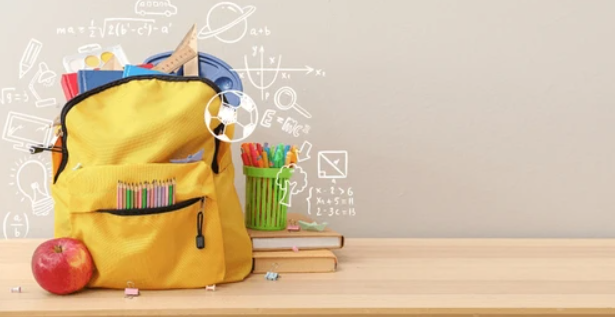
Education is entering a new era where classrooms are designed for adaptability, connection, and imagination. By 2026, learning environments will focus on sustainability, technology, and inclusivity, creating spaces that inspire both teachers and students to thrive.
Why 2026 Feels Different From Any Other Year
Something special is happening in education right now. Teachers are demanding products that actually solve problems instead of creating new ones. Parents want materials that last and stay safe. Students need tools that make learning feel exciting rather than boring. Meeting all these needs at once requires fresh thinking from everyone involved in product manufacturing.
The good news? Innovation is happening everywhere. From how paper suppliers create folders to how furniture suppliers design classroom storage, every category is evolving. The challenge is keeping up with these changes while maintaining quality and affordability.
Sustainability Takes Center Stage in Every Product
Environmental consciousness isn’t just a buzzword anymore. It’s becoming the foundation of all classroom product development. Teachers and parents are asking tough questions about where materials come from and what happens when products reach the end of their useful life.
An original equipment manufacturer that ignores sustainability in 2026 will struggle to compete. Smart companies are redesigning everything. Paper products now use recycled content and eco-friendly inks. Plastic supplies are being reformulated with plant-based materials where possible. Even packaging is getting lighter and more recyclable.
This shift affects every stage of production. A paper manufacturer must now consider forest management practices. An OEM plastic manufacturer needs to explore biodegradable alternatives. These changes add complexity but create products that align with modern values.
The Eight Product Categories Leading Change in 2026
The following categories are experiencing the most dramatic innovations and will define classroom experiences in the coming year:
- Interactive Paper Products That Connect Physical and Digital Learning: Traditional paper goods are evolving beyond static worksheets and folders. The modern paper products manufacturer is creating items that bridge tangible and virtual education seamlessly. Folders now feature pockets specifically sized for device storage alongside traditional papers. Charts incorporate scannable codes that link to video explanations or interactive quizzes. Dry-erase surfaces appear on previously standard cardboard products, extending their usefulness dramatically.
- Ergonomic Furniture Designed for Movement and Health: Classroom furniture is being completely reimagined around student wellness and active learning principles. A manufacturer in Vietnam or elsewhere is moving away from the one-size-fits-all approach that dominated for decades. Adjustable height desks accommodate growth spurts and different body types comfortably. Seating options now include balance balls, standing desk converters, and wobble stools that let fidgety learners move while focusing. Storage units on wheels transform room layouts in seconds rather than requiring weekend rearrangement projects.
- Modular Plastic Storage Systems That Grow With Needs: Smart plastic supplies are transforming classroom organization from frustrating to functional. An OEM plastic manufacturer focusing on education understands that storage needs change throughout the school year and vary wildly between teachers. Modern solutions feature interlocking components that stack vertically, connect horizontally, and reconfigure completely as requirements shift. Transparent materials let teachers and students see contents at a glance, reducing time wasted searching.
- Sustainable Materials Replacing Traditional Options: Environmental responsibility is driving material innovation across every product category dramatically. Forward-thinking companies are testing plant-based alternatives for product plastic items. Recycled ocean plastic is appearing in classroom storage and organizers, turning environmental problems into educational solutions. Paper suppliers are moving toward tree-free options using agricultural waste and fast-growing bamboo. Even traditional wood furniture now comes from certified sustainable forests with replanting programs.
- Sensory-Integrated Learning Tools for Diverse Needs: Recognition of neurodiversity is finally influencing mainstream classroom product development thoughtfully. Products now incorporate varied textures, adjustable features, and sensory-friendly designs as standard rather than special accommodations. Quiet fidget options integrate into desk designs and storage solutions. Visual schedules and organizers use colors backed by research into cognitive processing rather than arbitrary aesthetic choices. Materials consider sensory sensitivities with softer plastics, gentler paper textures, and reduced chemical odors from manufacturing supplies.
- Collaborative Learning Spaces Over Individual Desks: The physical layout of classrooms is evolving toward group work and project-based learning models. This shift demands completely different products from what previous generations used. Tables replace individual desks to encourage teamwork and discussion. Mobile whiteboard dividers create flexible small group spaces within larger rooms. Shared storage systems teach organizational skills and community responsibility.
- Tech-Ready Organization Without Tech Dependence: Modern classrooms need to accommodate devices without becoming entirely screen-focused. Product design is responding with thoughtful technology integration that enhances rather than replaces traditional learning. Charging stations are being built into furniture and storage units seamlessly. Cable management solutions keep cords organized and safe without dominating visual space.
- Multi-Sensory Teaching Materials for Engagement: Passive learning is giving way to active, hands-on experiences across all subjects and age levels. This pedagogical shift requires products that engage multiple senses simultaneously for deeper understanding. Textured learning aids help kinesthetic learners grasp abstract concepts physically. Manipulatives are becoming more sophisticated while remaining intuitive to use.
Safety Standards Reaching New Heights
Product safety has always mattered in education, but 2026 standards are incredibly rigorous. Testing requirements continue expanding, covering more substances and scenarios. Schools demand absolute confidence that every item meets or exceeds regulations.
This reality shapes decisions throughout the supply chain. An OEM supply partner that guarantees safety provides invaluable peace of mind.
Conclusion
The classroom products of 2026 represent a dramatic shift from what came before. Sustainability, flexibility, technology integration, sensory design, and safety are no longer optional features but essential requirements. An experienced education supply manufacturer, multi-category manufacturer, or any OEM partner must know these trends to remain relevant.
Partner With Innovation Leaders
SOLAR EXPORTS LIMITED has spent over two decades turning educational trends into reality through expert product manufacturing across multiple categories. Contact us to bring these 2026 trends to your classroom product line with guaranteed quality and compliance.
FAQ's
Q1. What makes 2026 classroom products different from previous years?
A1.They focus on sustainability, flexibility, tech integration, and inclusivity for diverse learners.
Q2. How are plastic suppliers addressing environmental concerns in education products?
A2.They use plant-based, recycled, and biodegradable materials while reducing waste and extending product life.
Q3. Why is furniture flexibility so important in modern classrooms?
A3.Modular, mobile furniture lets teachers quickly adapt spaces for different activities and learning styles.
Q4. How do sensory-friendly designs benefit all students, not just those with special needs?
A4.Calming colors, textures, and ergonomics enhance focus and comfort for every learner.
Q5. What role does an OEM manufacturer play in implementing these trends?
A5.They turn education trends into safe, affordable, and effective classroom products for all schools.